
We are CGSUSA
Contemplation and enjoyment of God
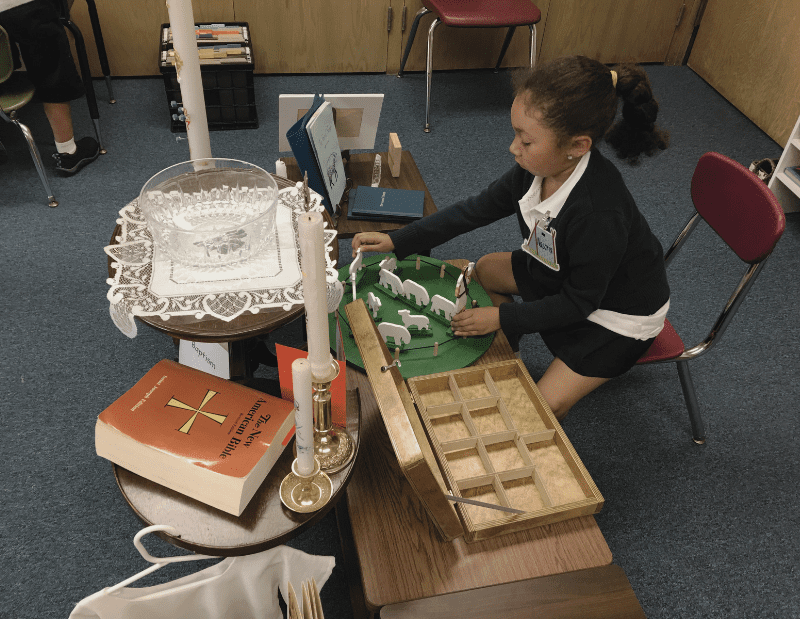
Seek
The CGS Approach
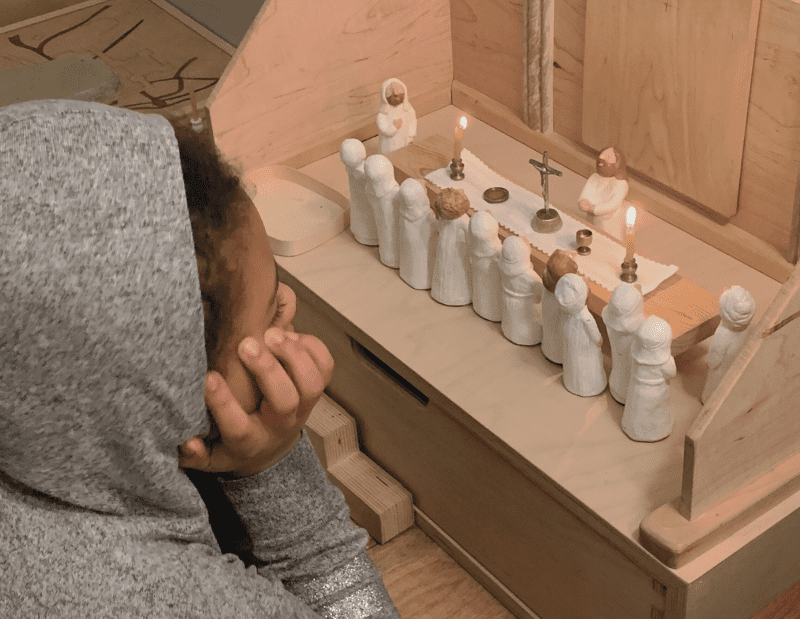
Begin
Where to start with CGS
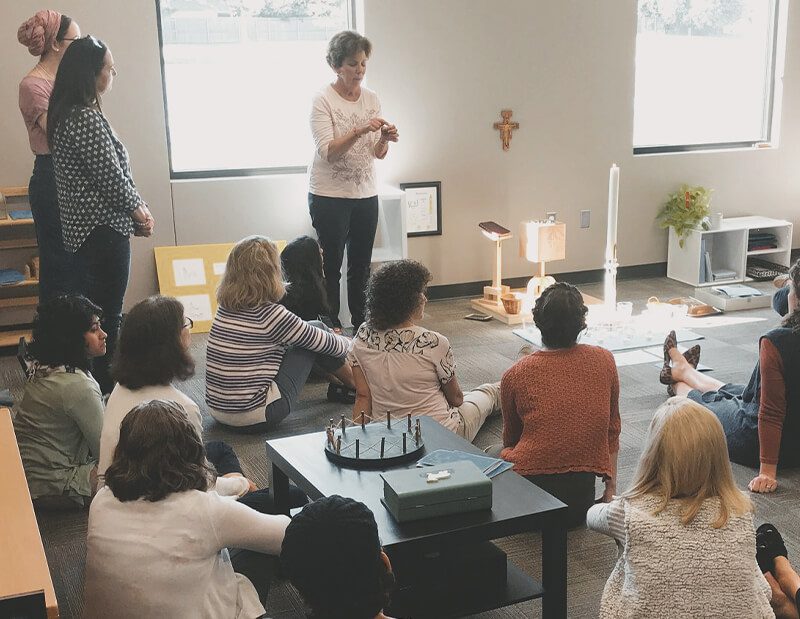
Engage
Find an Adult Formation course
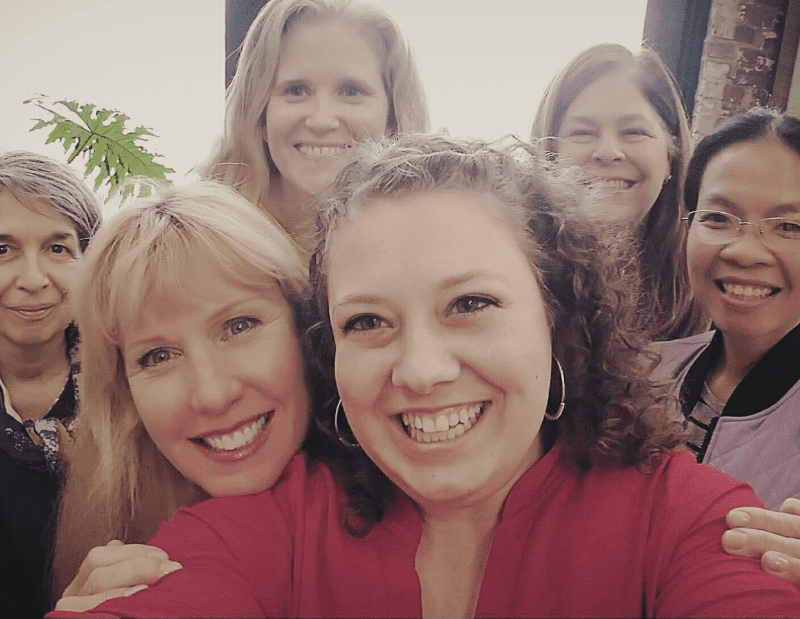
Join
Become a CGSUSA member
The Catechesis of the Good Shepherd Method
CGS is a common religious experience involving children and adults in which the religious values of childhood, primarily those values of contemplation and enjoyment of God, are predominant. This experience is shared in a place particularly prepared for the religious life of children called the Atrium.
The CGS Approach
Beginning Catechesis of the Good Shepherd
Relationships Bloom in Peaceful Spaces
An interpersonal relationship is always a mystery, all the more so when the relationship is between God and the child. We believe there is a deep bond between God and the child which produces in the child the desire to draw nearer to God. The adult, the catechist’s role is to prepare the environment, to offer selected presentations from scripture and liturgy. The catechist listens with the child and together they ask, “God, who are you? How do you love us?” The atrium (or prepared environment) is one of the important elements that helps the relationship between God and the child to flourish.
The Child
God and the child have a unique relationship with one another particularly before the age of six. The growth of this relationship should be assisted by the adult, but is directed by the Spirit of God within the child. Children need their own place to foster the growth of that relationship. This spiritual growth is best served through tangible but indirect means.
“If we want to help the child grow near to God, we should, with patience and courage…seek to go always closer to the vital nucleus of things. This requires study and prayer. The child himself will be our teacher if we know how to observe him.” – Sofia Cavalletti
The Atrium
The atrium (or prepared environment) is one of the important elements that helps the relationship between God and the child to flourish. After a theme has been presented, the child is free to choose an activity that will make possible the inner dialogue with the “Interior Teacher.” How does the atrium help to nourish this relationship? ~ The atrium can be compared to a retreat house facilitating recollection and silence. ~ The atrium is a place for religious life, for community and worship—not a classroom for instruction. ~ The atrium is a place of meaningful work through which the child can have a conversation with God.
The Adult
The catechist’s role is to prepare the environment and to give selected presentations from scripture and liturgy that “call forth” the child’s response rather than “pour in” information. The catechist listens with the child and together they ask, “God, who are you? How do you love us?” The adult reflects with the child on the questions generated by the presentations with the materials offered to the child to aid the child’s reflection. The catechists work together in a spirit of unity and harmony, in tune with God’s plan for communion in the history of salvation and in keeping with the themes of unity so strongly expressed in the parables of the Good Shepherd (John 10:1) and the True Vine. They generously offer their talents and experience for the good of all.
Events

National Eucharistic Congress: July 17-21, 2024
National Eucharistic Congress: July 17-21, 2024
The 10th National Eucharistic Congress is an invitation to experience profound personal revival so we can be sent out to share Christ’s love with a world that so desperately needs
Between Memory and Hope: Anniversary Celebration
Between Memory and Hope: Anniversary Celebration
Between Memory and Hope: 40th Anniversary of CGSUSA and 70th Anniversary of CGS in the World August 22-25, 2024 in Phoenix, AZ and in your local region! Contact Mary Heinrich
CGSUSA
The National Association of the Catechesis of the Good Shepherd, United States (CGSUSA) supports catechists, parents, and others in the Church and beyond, as they grow in their understanding of the religious potential of children. CGSUSA sustains the legacy of CGS by forming adults in this method and serving as the resource to the CGS community so that a prepared environment can be created that nurtures the religious life of the child.
Advocacy
Formation
Publications
Through its publications, CGSUSA gives the child a voice, passes along the wisdom of its founders, provides resources for catechists, and educates parents on the spiritual life of children.
Community
We come together in unity, as members of this Association, to support one another and share the joy of this work.